9 Best PostHog Alternatives for 2026 (Compared)
I've used most of the tools in this list. I spent years in outsourced product work: shipping sites and SaaS for clients, wiring analytics, cleaning up event plans someone else abandoned. PostHog, Mixpanel, Amplitude, Heap, Plausible, Matomo, Hotjar, Clarity. If a client asked for product analytics, I usually ended up inside one of them.
In my opinion, PostHog is the best tool in the "do it all" category: analytics, replay, flags, experiments, and more in one place. It's also developer-oriented. SDKs, HogQL, feature flags, experiments. It shines when engineers own the stack. Tools like Plausible, Umami, and Seline (which I built out of my own needs) are for a different job: day-to-day stats (traffic, sources, funnels, revenue) without living in a developer platform.
In this guide I compare the best PostHog alternatives for 2026. I'll start with Seline, then walk through the other tools and when each one makes sense.
TL;DR: Best PostHog Alternatives
Here's the short list if you're deciding today:
- Seline - My pick for most teams. Not developer-oriented. Day-to-day stats: traffic, journeys, funnels, and revenue when you need them.
- Mixpanel - Best focused product analytics for growing product teams that will maintain an event plan.
- Amplitude - Best for larger orgs with analysts and multi-team product work.
- Heap - Best when you want autocapture and retroactive event definitions.
- Plausible - Best lightweight open-source option if you mostly need traffic, not a full product suite.
- Matomo - Best for data ownership. Self-hosted or cloud, deep and more work.
- Microsoft Clarity - Best free heatmaps and session recordings. Pair it with a real analytics tool.
- Umami - Best free self-hosted traffic analytics.
- Hotjar - Best when UX feedback and recordings matter more than event analytics.
The right pick depends on whether you need a full product analytics platform, or something you'll actually open every day.
Why Teams Look for a PostHog Alternative
First, it helps to know what you're solving for. Most teams leave PostHog for one or more of these reasons:
Too much surface area. PostHog is an all-in-one: analytics, replay, flags, experiments, errors, surveys, warehouse. If you only needed traffic and a few funnels, the rest becomes noise you still pay for in attention.
Built for developers. PostHog is an engineer-first platform. Advanced questions often end in SQL or HogQL. Feature flags and experiments sit next to analytics. Product managers and founders can get answers, but the product assumes a technical owner. Teams with dedicated engineers or analysts handle that fine. Lean, non-dev teams usually don't.
Usage-based complexity. The free tier is strong (around 1M analytics events a month, plus free allowances on other products). Past that, meters multiply: events, recordings, flag requests, and more. Bills stay manageable if you stay disciplined. They get hard to forecast when everything is turned on.
Self-hosting is heavy. The open-source path looks great until you see ClickHouse, Kafka, and Postgres in the same sentence. Most small teams end up on PostHog Cloud anyway.
You wanted day-to-day clarity, not a platform. "How did we acquire paying users last week?" should not require a tracking plan review. That's the gap tools like Seline, Plausible, and Umami fill.
If any of that sounds familiar, one of the tools below will likely be a better fit. For a direct side-by-side, see PostHog vs Seline.
Quick Comparison
| Tool | Best for | Product depth | Self-host | Needs an analyst? | Complexity (1-5) | Starting price |
|---|---|---|---|---|---|---|
| Seline | Day-to-day stats for lean teams | Funnels, journeys, revenue | No | No | 1 | $9/mo |
| Mixpanel | Event analytics for product teams | Deep (funnels, retention, cohorts) | No | Yes | 4 | Free (1M events) |
| Amplitude | Large product orgs | Very deep | No | Yes | 5 | Free (2M events) |
| Heap | Autocapture and retroactive events | Deep | No | Yes | 4 | Free (limited) |
| Plausible | Simple privacy-first traffic | Light | Yes | No | 1 | $9/mo |
| Matomo | Full data ownership | Deep (with modules) | Yes | Helps | 5 | Free (self-host) |
| Microsoft Clarity | Free heatmaps and recordings | UX only | No | No | 2 | Free |
| Umami | Free self-hosted traffic | Light | Yes | No | 2 | Free (self-host) |
| Hotjar | UX research and feedback | UX, not product analytics | No | No | 2 | Free tier |
Complexity scores are out of 5, where 1 means install-and-go and 5 means real setup, taxonomy work, or a learning curve before daily use feels easy.
Notice the split: Mixpanel, Amplitude, and Heap sit with PostHog in the "product analytics platform" lane. Plausible, Umami, and Seline sit in the "open it every day" lane. Clarity and Hotjar cover behavior and UX, not full analytics.
Now let's look at each tool in detail.
1. Seline
I'll start with my own tool, because that's why I built it.
After years of installing PostHog-class stacks for clients, the pattern was the same. We'd instrument events carefully. Someone would build a few dashboards. Two months later, the founder was still asking in Slack where this week's sign-ups came from, because nobody wanted to open the heavy tool for a simple answer.
The lightweight tools (Plausible, Umami) solved that for traffic. They fell short once you needed journeys, funnels, or revenue tied to channels. The heavy tools solved depth. They asked for more process than a small team could keep alive.
So I built Seline: a PostHog alternative that is not developer-oriented. No HogQL. No SDK-first workflow. No flags-and-experiments suite. Day-to-day stats first. Depth only when you ask for it.
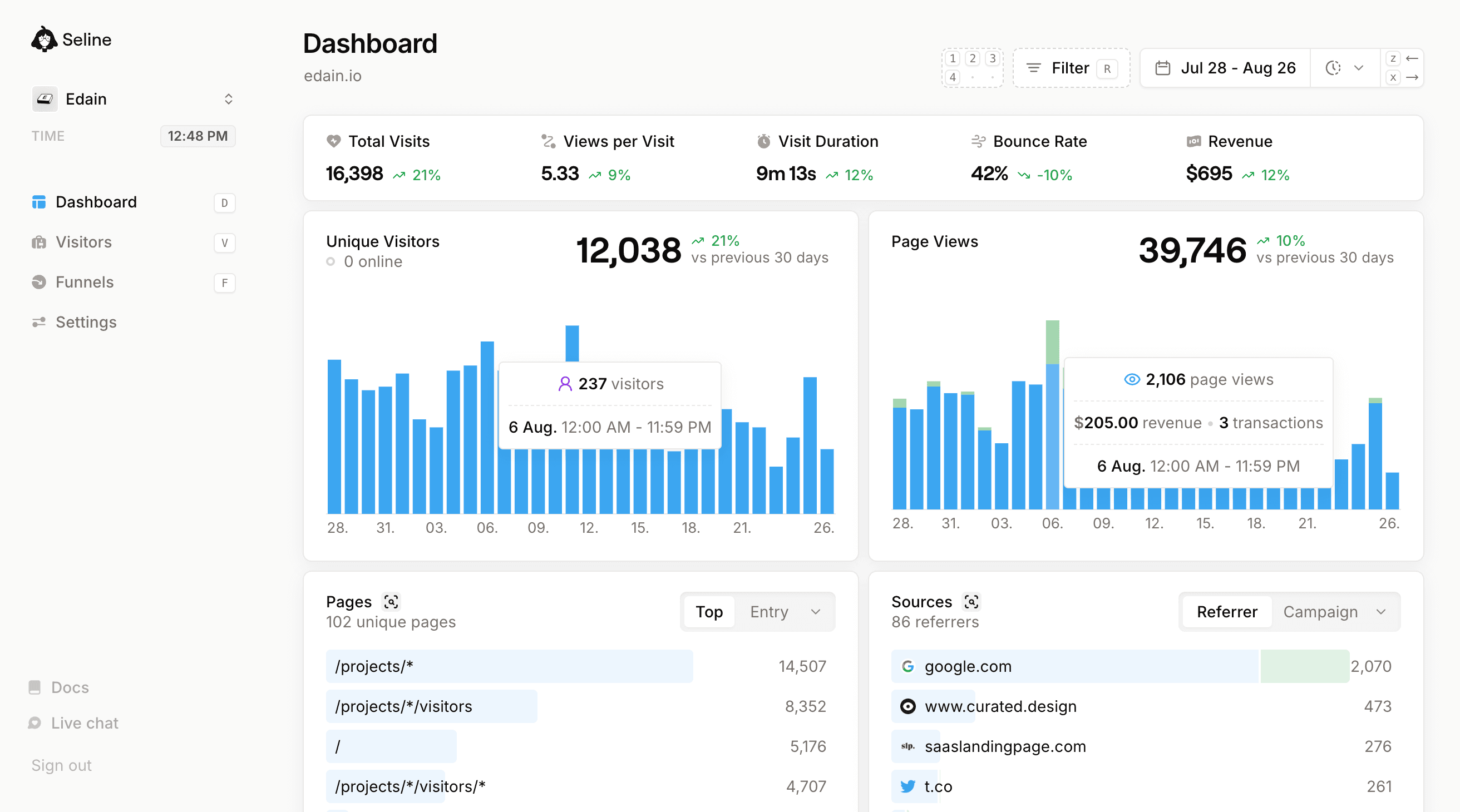
Out of the box, add one script and you see traffic, referrers, top pages, and UTMs. No tracking-plan workshop. If that's all you need, you're done.
When you want more, it's optional:
Optional, when you need more:
- Visitor journeys & profiles: See how people move through your site or product, where they drop off, and what they do before converting.
- Revenue analytics: Connect Stripe or Polar to tie revenue back to channels and pages.
- Funnel analysis: Track multi-step conversion flows without standing up a full product analytics org.
- Live view: Watch visitor activity during launches or campaigns.
- AI filtering: Ask questions in plain English instead of building nested filters.
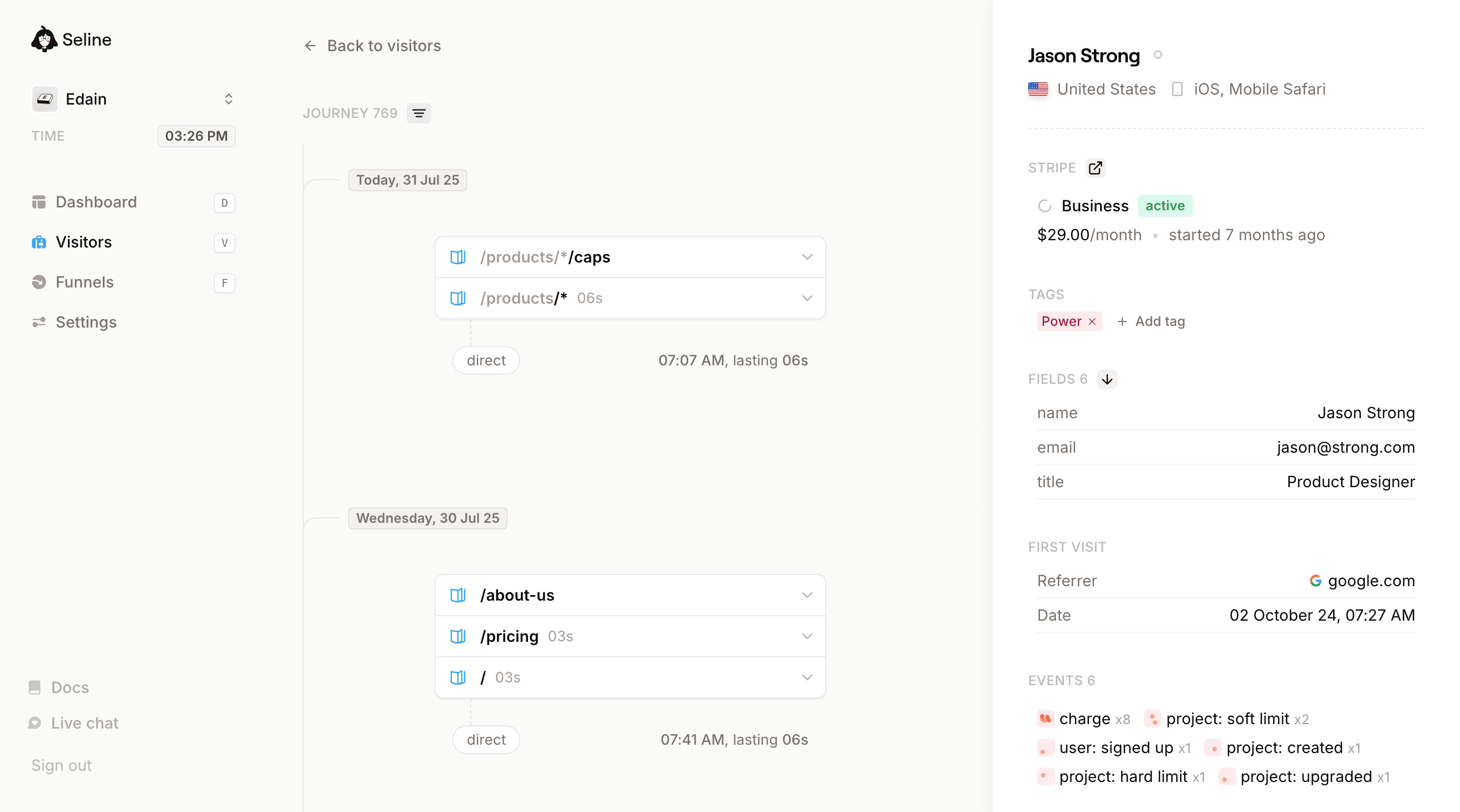
Seline is cookieless, GDPR-friendly, and runs on a lightweight script. Plans start at $9/month and scale with your traffic. There's a 7-day free trial with no credit card required.
What Seline is not: a feature-flag platform, an experimentation suite, or a warehouse-native analytics stack. If those are why you opened PostHog, keep PostHog. Or pick Mixpanel / Amplitude below for the analytics side and a dedicated flags tool for the rest.
Best for: Founders, marketers, and lean SaaS teams who want clear day-to-day stats without a developer platform. Anyone who found PostHog powerful but rarely opened it.
Limitations: No self-hosting. No feature flags or A/B testing suite. Not built for engineer-led product orgs that need multi-team governance and deep cohort analysis every week.
Get started with web analytics for free.
Sign up for Seline now - no credit card required. Cookieless, privacy-friendly, independent.
Get started
2. Mixpanel
Mixpanel is the classic product analytics tool. If PostHog feels like too many products in one, Mixpanel usually feels more focused: events, funnels, flows, retention, and cohorts.

I've used Mixpanel on client products where a product manager lived in the tool. That matters. Mixpanel rewards a clean taxonomy. It punishes "track everything and figure it out later."
Highlights:
- Mature funnel, flow, and retention reporting
- Free plan with about 1M events per month
- Session replay and feature flags available on modern plans
- Better self-serve reporting for PMs than SQL-heavy workflows
- US or EU data residency options
Best for: Product teams that will maintain events and ask behavioral questions every week.
Limitations: Still a product analytics platform, not a simple traffic dashboard. Pricing scales with events (Mixpanel pricing). No self-hosting. Overkill if you mainly need pageviews and channel reporting.
3. Amplitude
Amplitude sits at the heavy end of this list, next to PostHog for large product orgs. It's what you reach for when multiple teams share one tracking plan, governance matters, and someone owns analytics as a job.
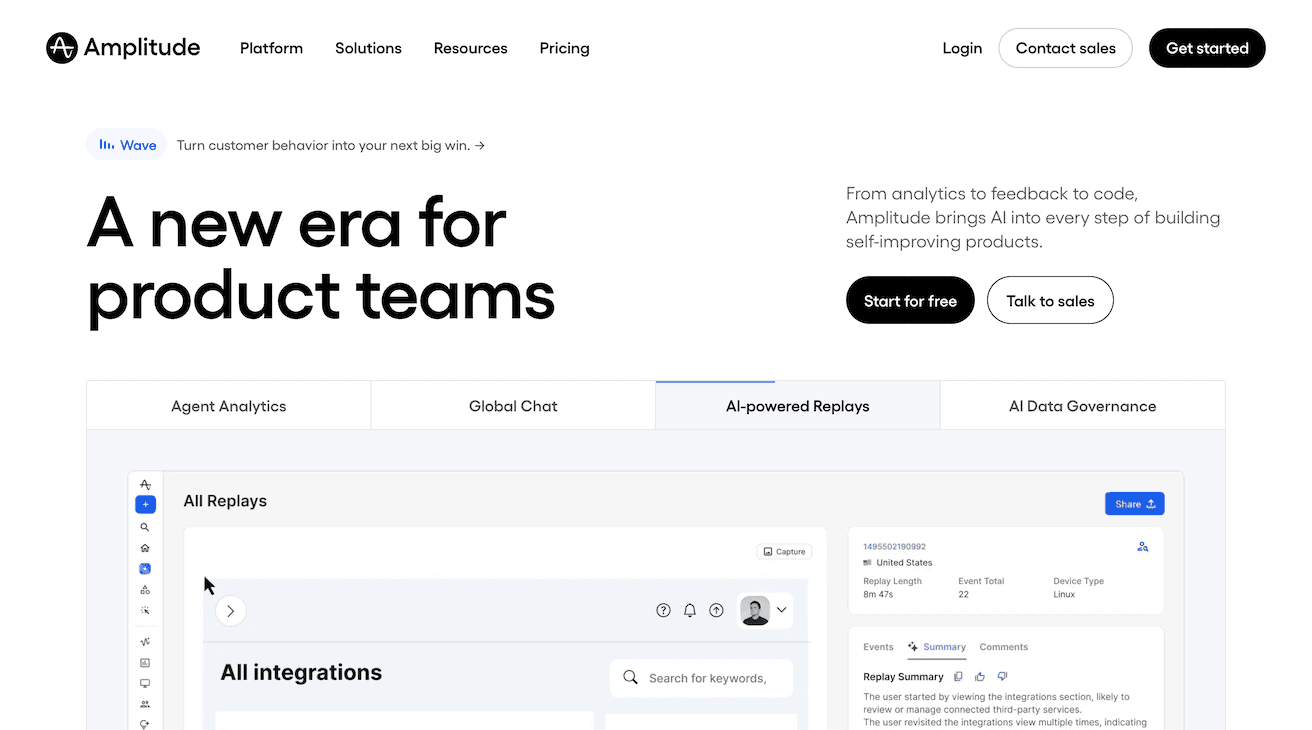
I've set Amplitude up for clients who already had data people. In those shops it thrived. In founder-led SaaS with three people, it mostly collected dust after the initial instrumentation sprint.
Highlights:
- Deep behavioral analysis, cohorts, and product reporting
- Large free allowance (around 2M events per month)
- Experimentation and broader product suite (including Statsig after the 2026 acquisition)
- Built for multi-team product organizations
- Strong when analysts and PMs share one source of truth
Best for: Mid-market and enterprise product teams with dedicated analysts or product ops.
Limitations: Complexity and process. Pricing gets opaque past the free tier. See Amplitude vs Seline if you're weighing that trade-off. Not the right day-to-day tool for a lean team that just needs clear traffic and conversion answers.
4. Heap
Heap's pitch is autocapture: record clicks, pageviews, and form interactions automatically, then define events later. That sounds perfect after you've lived through a bad PostHog or Mixpanel taxonomy.
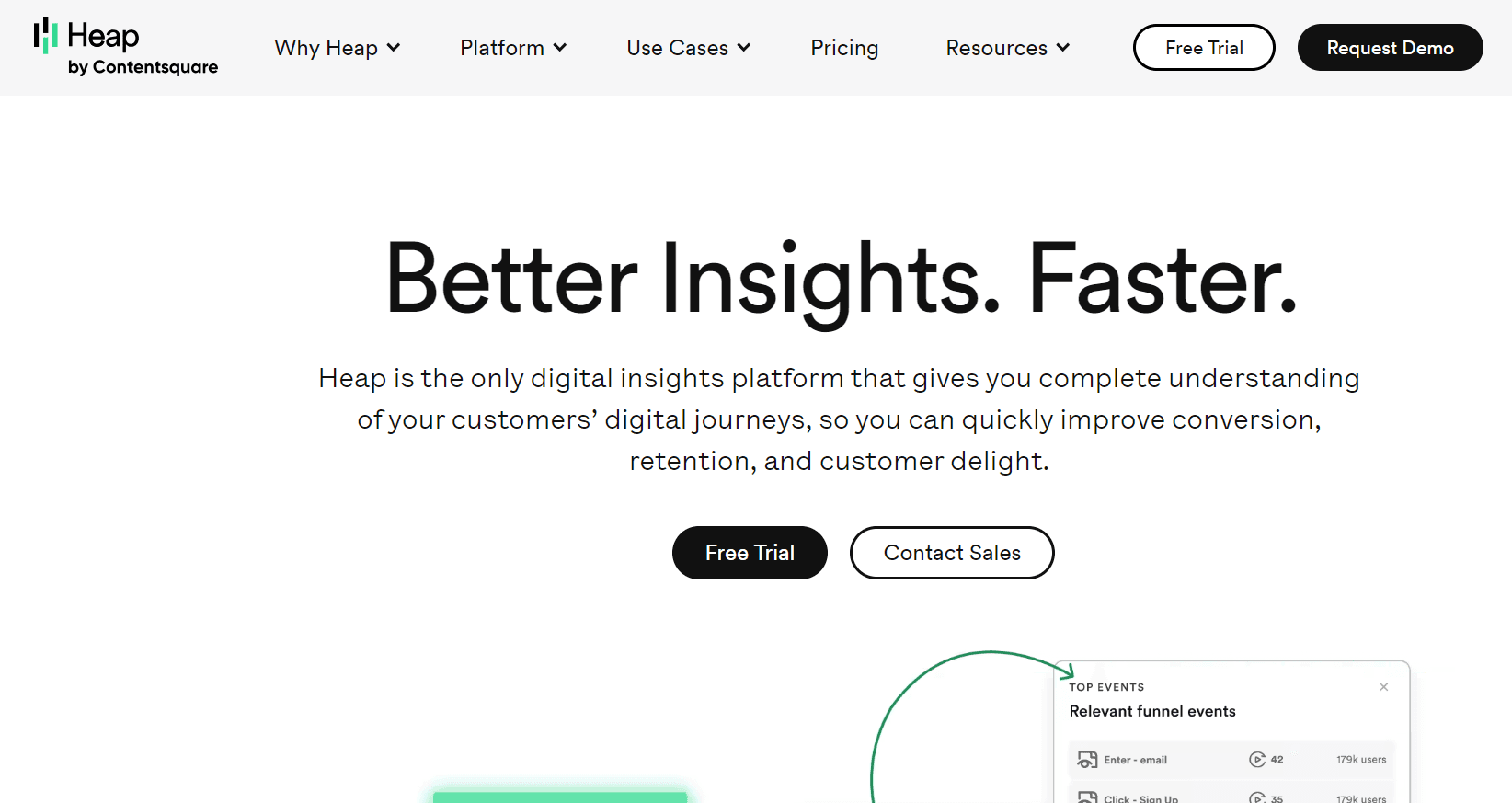
In practice, autocapture is powerful and messy. You get flexibility. You also get a lot of noise unless someone curates what matters. Heap (now under Contentsquare) still belongs in the "product analytics with people who will own it" category.
Highlights:
- Autocapture for retroactive analysis
- Funnels, journeys, and retention on the free tier (limited sessions)
- Useful when requirements change faster than your event plan
- Strong for teams that hated "we didn't track that"
Best for: Product teams that want flexibility over strict upfront instrumentation.
Limitations: Paid pricing is quote-based. Still not simple day-to-day web analytics. No self-hosting. Can feel as heavy as PostHog once you start governing the data.
5. Plausible Analytics
Plausible is what many teams should have installed instead of PostHog when they only needed traffic.
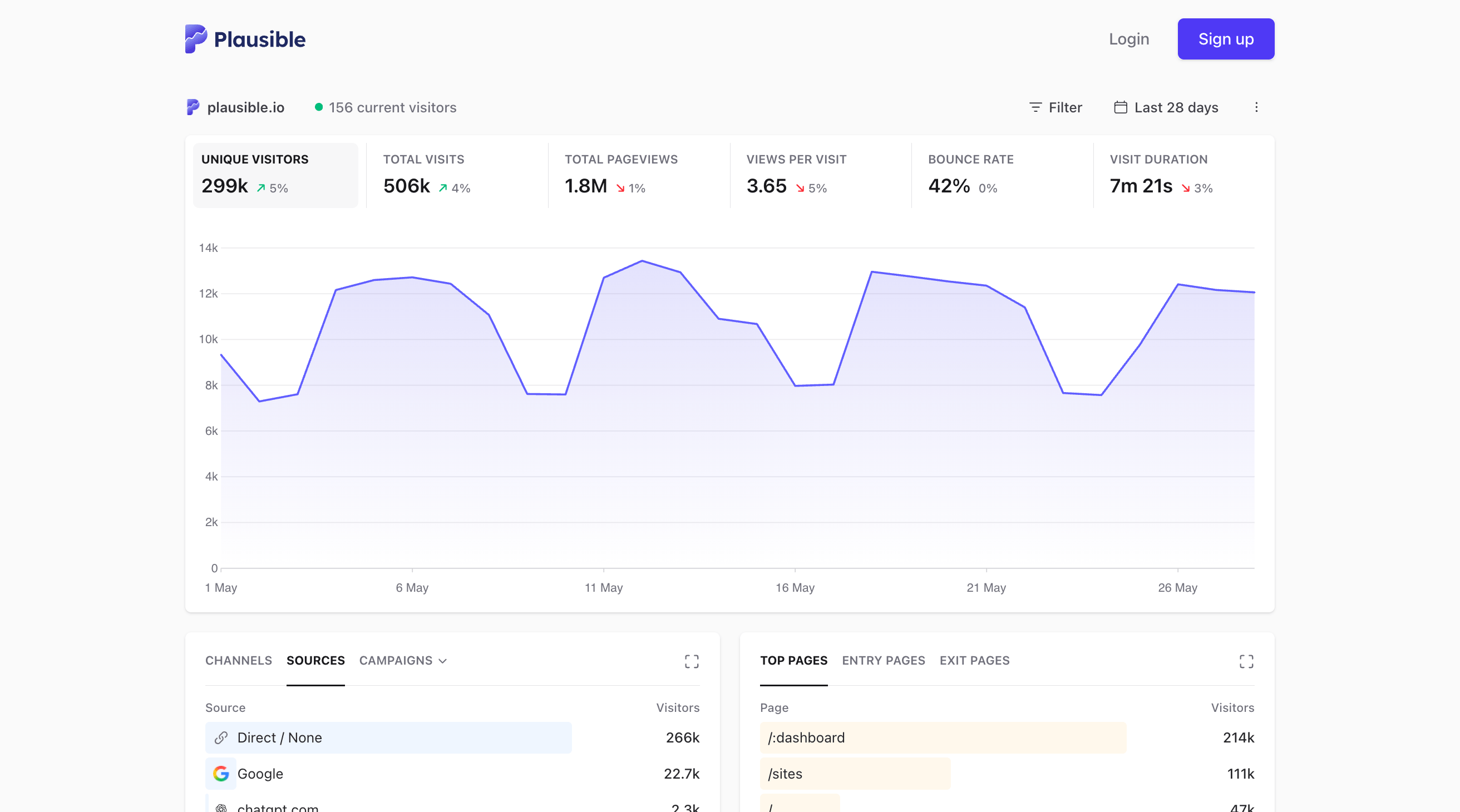
It's open-source, privacy-focused, and easy to use. No cookies, no personal data collection by default, tiny script. If your PostHog usage was mostly the web analytics view, Plausible covers that job cleanly.
Highlights:
- Fully open-source and self-hostable
- GDPR-friendly and cookieless by design
- Goals, UTMs, and shared dashboards
- Predictable pageview-based pricing from $9/month
Best for: Privacy-conscious teams and developers who want simple traffic stats without a product suite.
Limitations: No visitor profiles, limited product analytics depth, basic funnels compared to Seline or Mixpanel. If you need revenue attribution and journeys, you'll outgrow it or pair it with something else.
6. Matomo
Matomo (formerly Piwik) is the ownership play. Self-host it and the data stays on your servers. Cloud is available if you don't want the ops.
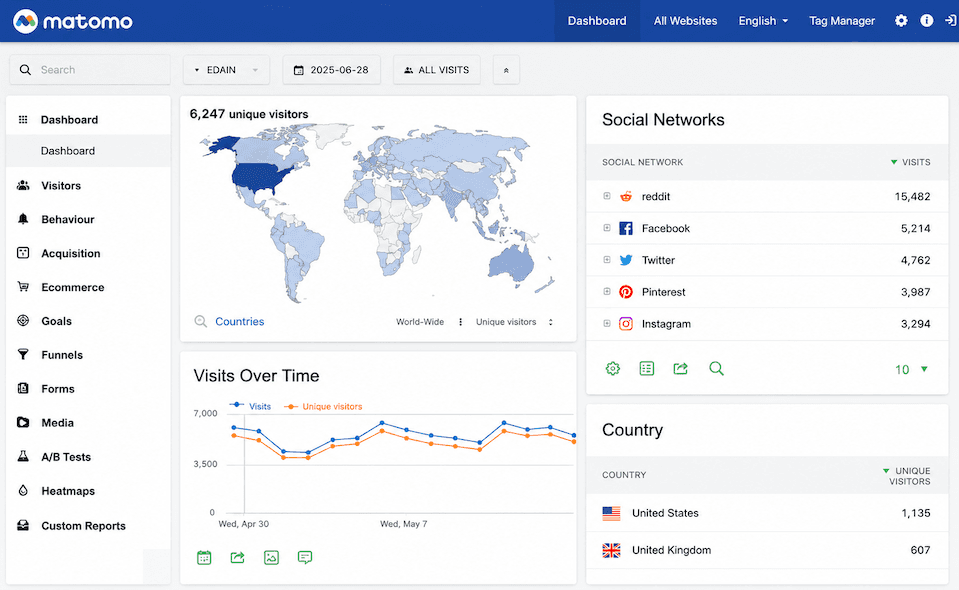
I've used Matomo when clients had compliance teams that cared more about residency and control than about a modern UI. It can replace a lot of PostHog's analytics surface. It will not feel lighter.
Highlights:
- Full data ownership with self-hosted deployment
- Heatmaps, session recordings, and e-commerce modules (paid add-ons)
- GDPR-friendly configuration options
- No sampling on typical setups
Best for: Organizations with strict data residency or ownership requirements.
Limitations: Steeper learning curve and dated UI compared to newer tools. Self-hosting is ongoing work. Heavier than Seline or Plausible for day-to-day checks.
7. Microsoft Clarity
Clarity isn't a full PostHog replacement. It's the free answer when you mainly used PostHog for session replay and rage clicks.
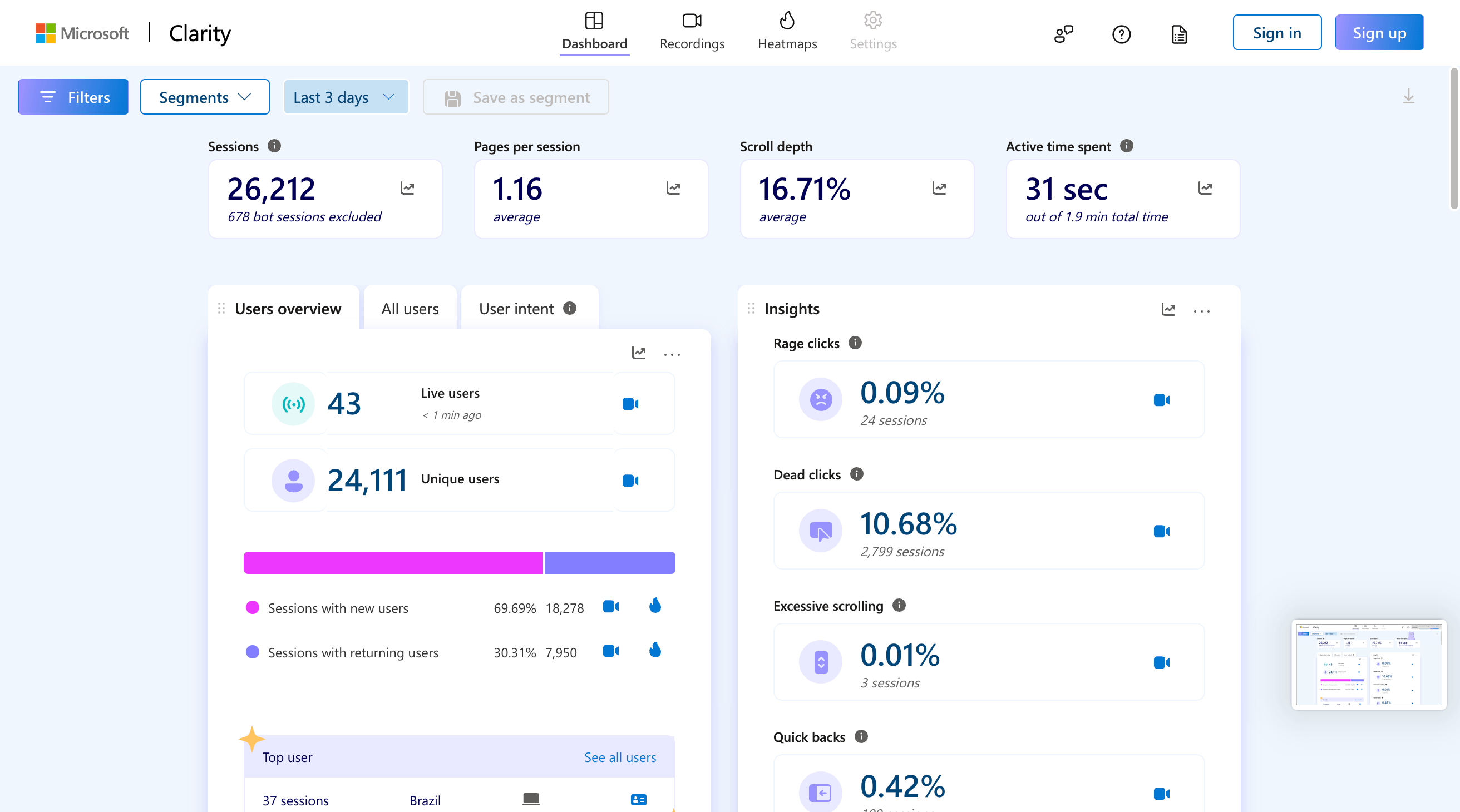
Heatmaps, recordings, scroll depth, and frustration signals. Many teams pair Clarity with Seline or Plausible instead of paying for replay inside a product suite.
Highlights:
- Completely free, no traffic limits on the core product
- Heatmaps and session recordings out of the box
- Easy script install
- Useful UX insights aggregate stats miss
Best for: Teams that want free behavioral insight alongside a simpler analytics tool.
Limitations: Not product analytics. No reliable revenue attribution or serious funnel suite. Uses cookies, so EU consent usually applies. Data goes to Microsoft.
8. Umami Analytics
Umami is the free self-hosted option for teams that opened PostHog, realized they only needed traffic, and didn't want another SaaS bill.
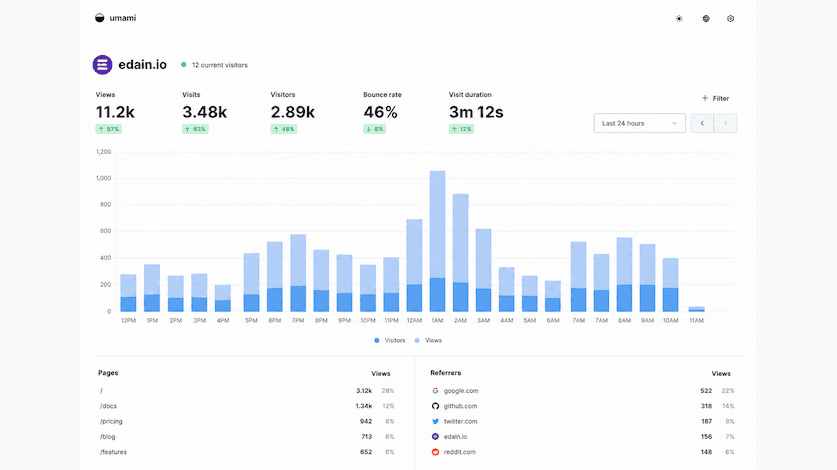
Lightweight, privacy-friendly, and easy to deploy on a small VPS. Cloud plans exist if you don't want to host it.
Highlights:
- Free and open-source: self-host on GitHub
- Cookieless tracking
- Low resource footprint
- Custom events and basic reporting
Best for: Developers who want free, self-hosted traffic analytics with minimal overhead.
Limitations: Not a PostHog-class product suite. Limited funnels and no revenue-first workflow. Community support on the open-source path.
9. Hotjar
Hotjar covers the qualitative side: recordings, heatmaps, feedback widgets, and surveys. If your PostHog usage was mostly "watch sessions and ask users why," Hotjar is often the more direct tool.
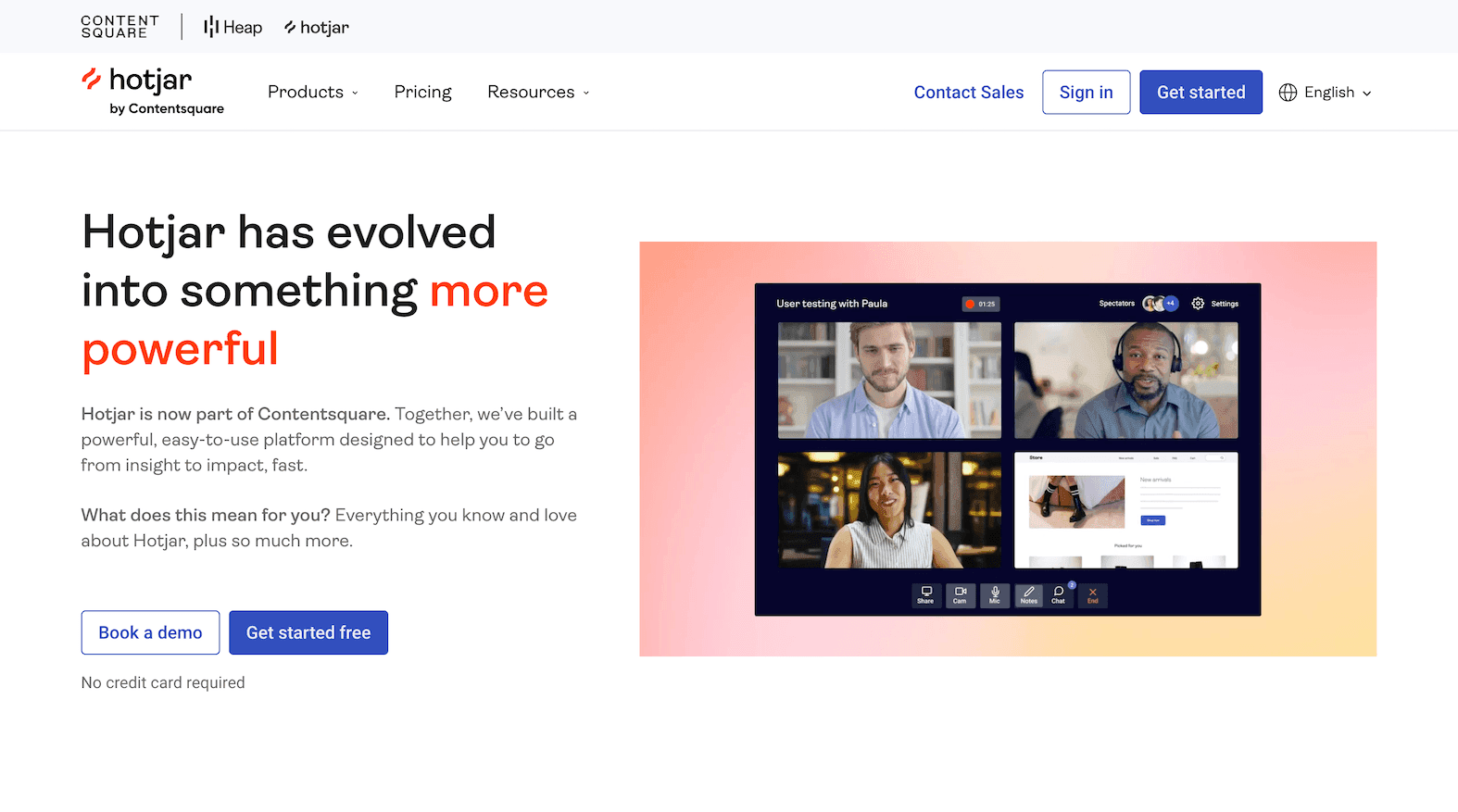
I've paired Hotjar with a simple analytics tool on marketing sites more times than I've replaced PostHog with Hotjar alone. That's the right mental model.
Highlights:
- Session recordings and heatmaps
- On-site surveys and feedback
- Free tier for getting started
- Strong for UX and research workflows
Best for: Design and research teams that need qualitative behavior insight.
Limitations: Not a replacement for event analytics, funnels, or revenue reporting. Privacy and consent overhead. Use it beside Seline or Plausible, not instead of them, if you still need traffic and conversion stats.
How to Choose the Right PostHog Alternative
The best tool depends on what you actually used PostHog for:
Choose Seline if you want day-to-day traffic, sources, funnels, journeys, and revenue, and you don't want a developer-oriented platform. Best fit for founders, marketers, and lean SaaS teams.
Choose Mixpanel if you need serious event analytics and a product team will live in funnels and retention every week.
Choose Amplitude if you're a larger org with analysts, governance needs, and multi-team product work. See Amplitude vs Seline.
Choose Heap if autocapture and retroactive events matter more than a strict tracking plan.
Choose Plausible if you mostly needed privacy-first traffic stats and open-source options.
Choose Matomo if data ownership and self-hosting are non-negotiable.
Choose Microsoft Clarity if you mainly wanted free recordings and heatmaps. Pair it with a real analytics tool.
Choose Umami if you want free self-hosted traffic analytics and you're fine running a server.
Choose Hotjar if UX research and feedback are the real job, not product analytics.
A useful rule from client work: if nobody on the team has "analytics" in their title, pick the lightest tool that answers your weekly questions. PostHog, Mixpanel, and Amplitude are excellent for companies that staff that work. Seline is what I'd recommend for the rest.
Frequently Asked Questions
What is the best PostHog alternative?
For most lean teams, Seline. You get the day-to-day stats check plus optional funnels, journeys, and revenue without adopting a full product suite. If you need deep product analytics and have people to run it, Mixpanel or Amplitude are stronger platform peers to PostHog.
Is Seline a good PostHog alternative?
Yes, when you want clearer growth and conversion answers with less setup. PostHog wins for feature flags, deep experimentation, and engineer-led product workflows. Seline wins for fast traffic-to-revenue insight. Details: PostHog vs Seline.
Are Mixpanel and Amplitude simpler than PostHog?
Not really. They're usually narrower than PostHog's all-in-one suite, but still product analytics platforms. They fit teams that will maintain events and dashboards. They are not "simple web analytics."
What is a free PostHog alternative?
Microsoft Clarity is free for recordings and heatmaps. Mixpanel and Amplitude have large free event tiers. Umami and Matomo are free to self-host for traffic analytics. Seline is paid from $9/month with a 7-day free trial.
Can I replace PostHog with one lighter tool?
Often yes, if you only used analytics and maybe a bit of replay. If you relied on feature flags and experiments in production, keep those in PostHog or move them to a dedicated flags tool. Don't force one lightweight analytics product to do release management.
How do I migrate from PostHog?
List the PostHog products you actually use. Recreate key events and funnels in the new tool. Run both in parallel for a couple of weeks. Move feature flags last if they control live behavior. Historical imports are limited on most tools, so expect a clean start for reporting.
The Bottom Line
If you want one platform that does it all, PostHog is still my pick in that category. For the right company (developers, analysts, experimentation culture), it's excellent.
A lot of teams searching for PostHog alternatives aren't that company. They installed a do-it-all suite because it was popular and free to start, then realized they needed something non-technical people would open every day: traffic, sources, conversions, maybe revenue. That's where Seline tends to work better.
If you're in the same spot, start a 7-day free trial. Takes a few minutes to set up.